168.16.254 Complete Router Configuration Guide
A comprehensive approach to securing and managing the 168.16.254 router is presented in this guide. It emphasizes initial credential changes, firmware updates, and network segmentation as foundations. From there, it details initialization, basic configuration, and secure DNS practices. The document also covers Wi-Fi performance, guest networks, and parental controls, plus precise port forwarding and QoS. A disciplined, ongoing review process is recommended to maintain protection and reliability, leaving practitioners with a clear path forward and a decision point to continue parameter tuning.
How to Secure Your 168.16.254 Router Right Now
To secure a 168.16.254 router, begin by changing the default administrator credentials to a strong, unique password and updating the firmware to the latest version. This practice enforces privacy safeguards and reduces exposure to exploits. Regular firmware updates patch vulnerabilities, improve stability, and extend control.
Implement monitoring, disable unnecessary services, and enforce network segmentation for resilient, freedom-friendly security.
Step-by-Step 168.16.254 Initialization and Basic Configuration
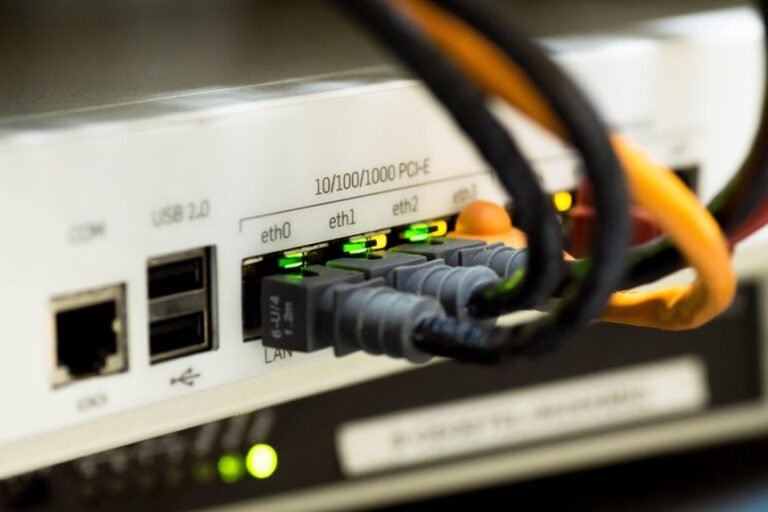
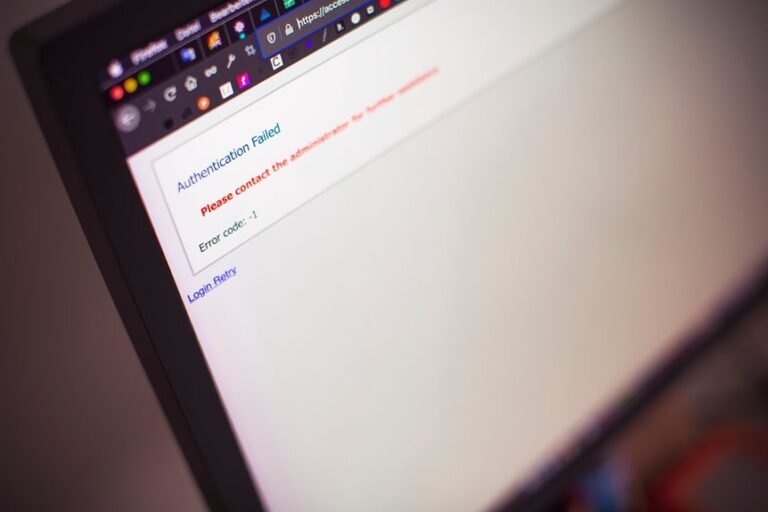
Initializing a 168.254 router involves a disciplined sequence: connect a PC to the router’s LAN port, access the default gateway via a web browser, and log in with the current administrator credentials. After login, configure a secure DNS, verify network basics, implement firmware updates, set administrative passwords, and restore defaults if needed, ensuring stable boot, predictable behavior, and controlled access.
Optimizing Wi‑Fi Performance on 168.16.254
Optimizing Wi‑Fi performance on 168.16.254 builds on the foundational setup completed in the previous step, focusing on practical adjustments to the wireless subsystem. Configurations emphasize channel selection, transmit power, and band steering while preserving security.
Performance tuning targets stable throughput and low interference, with measured adjustments applied to SSIDs, firmware, and QoS policies for predictable, freedom‑oriented network behavior.
Advanced Tweaks: Guest Networks, Parental Controls, and Port Forwarding on 168.16.254
This section examines advanced tweaks for the 168.16.254 router: implementing guest networks, enforcing parental controls, and configuring port forwarding. A secure guest network isolates traffic and limits access to internal resources. The guide outlines a concise, technical workflow for parental controls setup, monitoring activity, and applying time or content restrictions. Port forwarding rules are defined precisely for specific services.
Frequently Asked Questions
How Do I Reset My 168.16.254 Router to Factory Settings?
To reset the 168.16.254 router, a factory reset is performed via the recessed button for 10–15 seconds, restoring factory defaults. Afterward, reconfigure securely, ensuring firmware security, password changes, and verification of ongoing resetting router settings.
Can I Change the Router’s Default Admin Username?
Yes, it is possible to change the router’s default admin username. The procedure varies by model, but secure setups typically require creating a unique username and disabling or restricting remote access to prevent unauthorized login. Change username, remote access configuration.
What IP Address Should I Use for Initial Access?
The IP address for initial access is typically the device’s default gateway, commonly 192.168.0.1 or 192.168.1.1, depending on the model. For IP address access, use the default gateway during initial login, then reconfigure.
How Do I Backup and Restore Router Configurations?
A single data storm worries none of these: backup and restore require documented backup procedures, restore steps, troubleshooting tips, and security considerations. The guide emphasizes concise, precise actions, ensuring freedom-loving administrators securely manage configurations across devices and revisions.
Is Firmware Update Required for Security Patches?
Firmware updates are strongly recommended; they provide security patches essential for protection. Updating firmware mitigates vulnerabilities and improves stability, while avoiding outdated software. For empowered users, timely updates balance risk reduction with control over system behavior.
Conclusion
In sum, the guide tightens network security and performance on 168.16.254 with disciplined precision. By updating firmware, changing credentials, segmenting networks, and enforcing controlled access through guest networks and parental controls, administrators create a robust perimeter. Fine-tuned QoS, thoughtful port forwarding, and secure DNS further harden the environment. The process, like a well-oiled machine, runs smoothly when reviewed regularly, preserving reliability and resilience while adapting to evolving threats and user needs.