168.1.60 Router Login and Default Configuration Guide
This guide outlines how to locate the 168.1.60 default login details and verify them against official sources. It covers accessing the admin panel, setting unique usernames, and enforcing strong passwords with HTTPS where available. It also describes creating a minimal baseline, disabling unused services, and segmenting networks. The process relies on change-controlled, auditable configurations via firmware updates and periodic reviews. The rationale for each step remains clear, and the next part narrows the focus to practical, stepwise actions.
How to Find the 168.1.60 Default Login Details
To locate the default login details for the 168.1.60 router, users should consult the device label and official documentation first. The process emphasizes verification, not guessing, reducing risk. References clarify credentials and renewal options. An unrelated topic may appear in ancillary materials but remains outside essential steps. Any off topic discussion should be noted, then dismissed, preserving focused, actionable direction.
Accessing the Router Admin Panel Step by Step
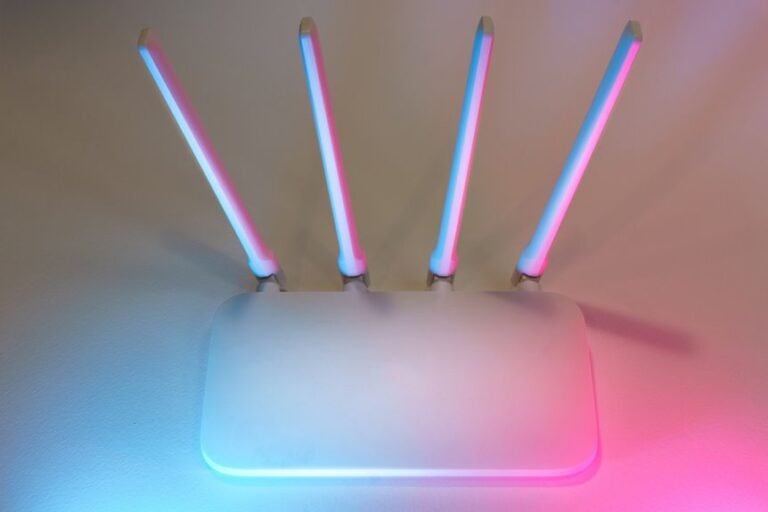
Access to the router’s admin panel is gained by identifying the correct local address, then logging in with the default or user-specified credentials. The process emphasizes newadmin access safety, ensuring unique usernames and strong password policy. Users should verify HTTPS where possible, avoid sharing credentials, and document settings. Clear, deliberate steps support freedom while maintaining robust administrative control.
What the Default 168.1.60 Config Looks Like
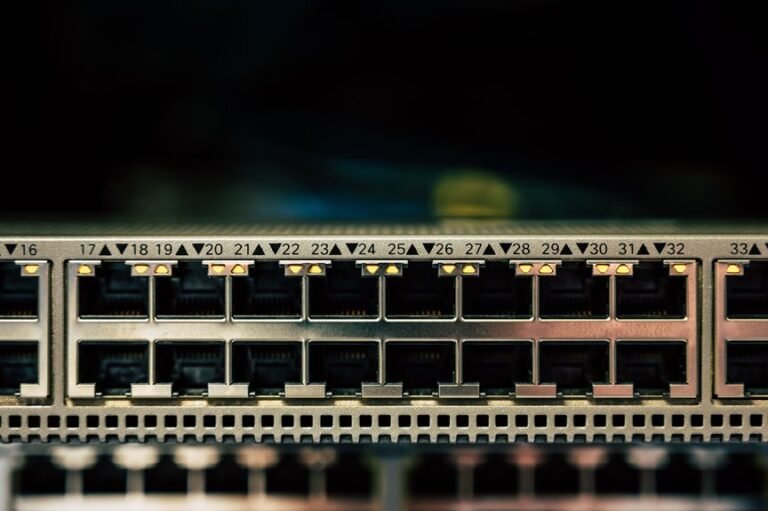
The default 168.1.60 configuration outlines a minimal, secure baseline intended for initial setup. It presents a concise network topology, emphasizing essential interfaces and default access settings.
The layout favors clarity and easy navigation, enabling firmware updates through standard channels. This configuration prioritizes freedom to modify, while maintaining fundamental safeguards, and serves as a stable starting point for informed customization.
Secure Your Network After First Login
After initial login, securing the network begins with locking down administrative access and configuring foundational protections. The guide emphasizes security best practices, including disabling unused services, enforcing strong credentials, and enabling firmware updates.
Subsequently, implement network segmentation to limit lateral movement, separate management from user traffic, and create controlled trust boundaries.
Regular audits and change-controlled configurations sustain robust, predictable device behavior.
Frequently Asked Questions
Can I Change the Default Wi-Fi Password After Login?
Yes, the user can change the default Wi-Fi password after login. The process involves navigating to the wireless or security settings, selecting change password, and saving changes. This updates wifi security and protects the network.
How Do I Update the Router Firmware Securely?
The update process should be performed with caution, as one in three devices fail when interrupted during firmware updates. To minimize risk, follow security best practices: verify firmware source, use wired connection, disable remote management, and monitor progress until completion.
What to Do if I Forget the Admin Password?
If the admin password is forgotten, perform a factory reset to restore default settings, then reconfigure access credentials. This action involves a factory reset and secure re-entry, ensuring account safety while preserving user autonomy and control.
Is There a Guest Network Option on 168.1.60?
Sure thing: yes, a guest network option may be available. The device supports guest network and wifi scheduling, enabling separate access with time-based rules. It’s a clear, structured feature for users seeking freedom and control.
How Can I Reset the Router to Factory Settings?
The reset procedure requires pressing the reset button for ten seconds to perform a factory reset. This action restores default settings, with attention to security concerns, and should include firmware verification before reconfiguration post-reset.
Conclusion
The guide closes with a quiet tension, as the user eyes the admin portal and the page’s green lock winks approval. Each step—from locating credentials to tightening passwords and disabling unused services—unfolds like a measured drill, barely audible. A final confirmation update looms in the background, reminding that security is ongoing. With every click, the network breathes a little easier, yet the watcher senses that vigilance must endure beyond the first login.