168.0.187 Router Access Guide and Common Fixes
Understanding how 168.0.187 is used for router access helps clarify common fixes. This guide outlines locating the gateway, verifying credentials, and confirming firmware and DNS stability. It also covers subnetting, DHCP, and basic login tests across wired and wireless paths. If issues arise, it recommends reviewing firewall rules and enabling only necessary services. The steps set a cautious, repeatable process, leaving room to address unexpected results as issues persist.
How 168.0.187 Router IP Works and Why It’s Common
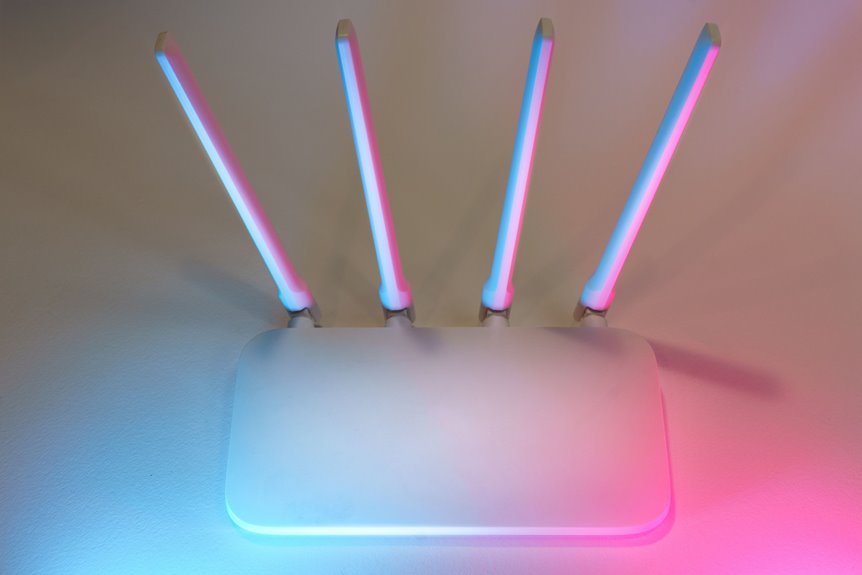
The 168.0.187 router IP typically functions as a local gateway address within private networks, serving as the default route for devices to reach both local resources and external networks.
Router IP mechanics reveal how packets are directed to the gateway, while common misconfigurations can disrupt access, slow connections, or create conflicts.
Proper subnetting and consistent DHCP settings support reliable, freedom-oriented networking.
Step-by-Step Access: Safely Reach the Router Admin Panel
Accessing the router admin panel begins with confirming the device’s gateway address is reachable. Then follow a structured sequence: verify device naming consistency, access credentials, and a secure connection. Review firmware updates before changes. Implement network segmentation to limit access. Navigate calmly, document steps, and log results; confirm exit protocols are complete and settings remain stable.
Troubleshooting Login and Connection Issues
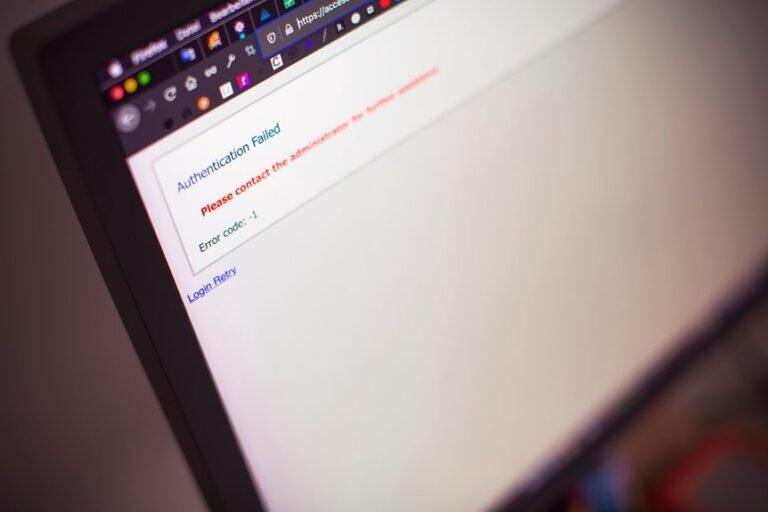
Troubleshooting login and connection issues begins with confirming the router’s availability and the device’s ability to reach the gateway. The process emphasizes calm, methodical steps: verify network troubleshooting basics, confirm correct credentials, and ensure firmware stability.
Check router configuration for errors, review DNS settings, and test wired versus wireless access.
Resolve conflicts, document results, and restore stable, autonomous connectivity.
Essential Security and Best Practices After Access
After gaining access to a 168.0.187 router, the focus shifts to securing the device and maintaining safe operation. Implement solid security habits, including unique credentials, updated firmware, and enabled firewall rules. Practice consistent router hygiene: monitor logs, disable unused services, segment networks, and apply regular reboots. Clear configurations reduce risk while preserving freedom and reliable connectivity.
Frequently Asked Questions
Can I Change the Router’s Default Login Username and Password?
Yes, one can change the router’s default login credentials to improve security. A concise, structured approach supports a security audit mindset, acknowledging hardware quirks while preserving user freedom and control over access.
How Do I Reset the Router Without Losing Settings?
The reset preserves settings if performed via the router’s software option or reset toggle with preservation mode; otherwise, a full reset loses data. two word discussion ideas, router security, emphasize cautious, empowering users to maintain control and customization.
What Are Common IP Conflicts With 168.0.187?
Common IP conflicts with 168.0.187 involve duplicate addresses and DHCP lease issues. IP conflict troubleshooting focuses on verifying unique static assignments, renewing leases, and ensuring proper DHCP scope configuration to prevent overlaps. DHCP lease issues arise from misconfigured pools.
Is Port Forwarding Safe for Gaming on This Router?
Port forwarding can be safe for gaming on this router if implemented carefully; it may affect port security and expose devices. It aims to reduce gaming latency while balancing risk, requiring regular updates and monitoring.
How Can I Update the Router’s Firmware Safely?
Updating firmware should be done carefully. A cautious traveler updates a map before a journey; similarly, updating firmware requires safety precautions. The process prioritizes verification, backups, official firmware, and uninterrupted power to ensure safety precautions.
Conclusion
Even as the gateway hums with quiet certainty, the path to control remains narrow. A single misstep—forgotten credentials, a blocked port, a misconfigured DNS—can sever the line between access and isolation. Yet vigilance, documentation, and regular maintenance turn uncertainty into reliability. When the admin panel finally responds, what was once peril becomes preparation. The network endures, unseen, patient, waiting for the next careful touch that keeps everything secure and functioning.