168.8.2 Router Login Guide and Network Setup
The guide on the 168.8.2 router login and network setup offers a precise, methodical approach to gaining admin access and configuring a secure wireless network. It outlines direct steps for connecting devices, opening the admin page, and verifying status before entering credentials. Subsequent sections cover SSID naming, strong passphrases, and essential security settings, along with firmware updates and backup practices. The process ends with troubleshooting methods, leaving a clear path forward for persistent issues and validation steps.
How to Access the 168.8.2 Router Admin Page
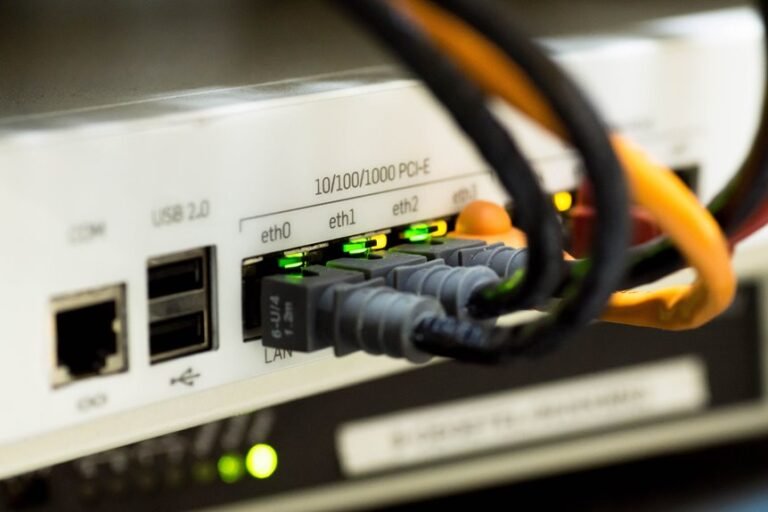
To access the 168.8.2 router admin page, users should connect a computer or device to the router via Ethernet or a wireless connection, then open a web browser and navigate to http://168.8.2/.
The interface presents login fields, status indicators, and firmware notes.
Navigation is deterministic, avoiding unrelated topic distractions or random chatter while maintaining concise, precise access control and configuration workflow.
Set Up Wi-FI: Names, Passwords, and Security
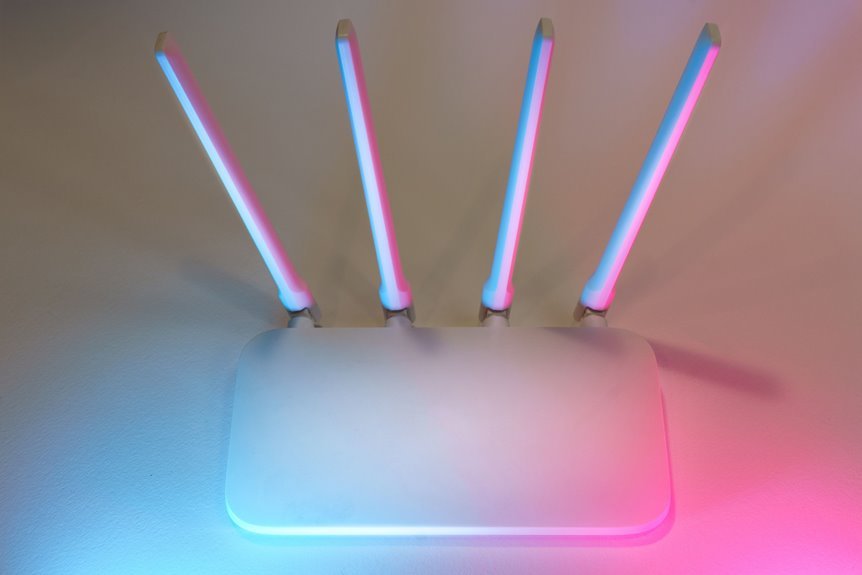
The next step after accessing the router admin page is configuring the wireless network. The process entails naming the network, selecting a strong password, and enabling essential security measures. Each setting should be documented for reproducibility, with clear defaults adjusted as needed. The goal is stable connectivity and robust protection, without extraneous changes. Properly labeled, the set up wi fi remains secure and accessible.
Update Firmware and Harden Router Security
Securing a router begins with keeping firmware current and reducing exposure to known vulnerabilities. Firmware updates should be applied promptly after release notes review, tests completed, and backup of configurations performed.
Security hardening includes disabling unused services, enabling automatic updates where available, and strengthening access controls.
Regular audits verify integrity, posture, and adherence to policy across firmware updates and targeted security hardening.
Troubleshoot Common Login and Connectivity Issues
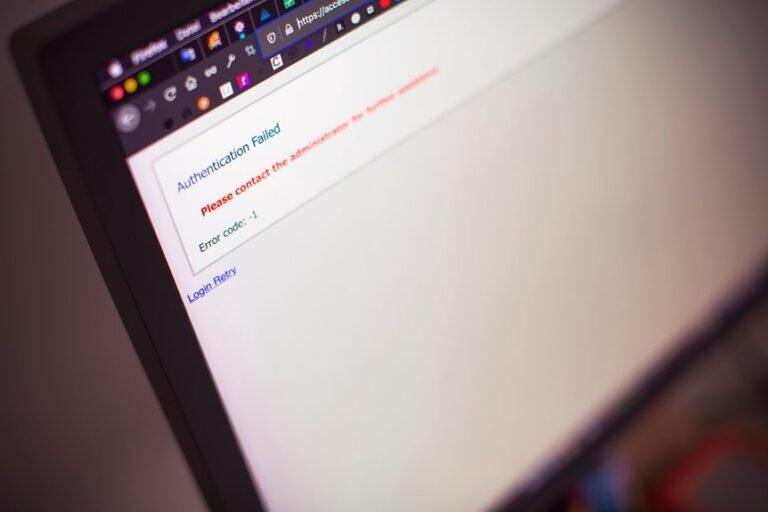
Router login and network access issues often stem from misconfigurations, stale credentials, or device-side limitations. The procedure isolates faults by confirming router accessibility, verifying DNS configurations, and testing alternative devices. Address external Wi Fi interference with channel selection and proximity adjustments. Log timestamps, capture error codes, and apply firmware as needed. Systematic resets and secure credential updates finalize resolution without compromising network autonomy.
Frequently Asked Questions
What Should I Do if I Forget the Router’s Admin Password?
When forgetting the admin password, a forgetful admin should initiate password recovery, following the router’s reset procedure to restore access; note that unrelated topic security risks may arise if reset is mishandled, requiring precautionary steps.
Can I Change the Router’s Default IP Address?
Changing the default IP is possible by accessing the router’s admin interface, locating LAN settings, and applying a new IP alongside DHCP range adjustments; ensure MAC address management remains consistent to avoid conflicts and retain network accessibility.
Is Remote Management Safe-To-Enable on This Model?
Remote management is potentially risky; it can expose devices to external threats. Enabling remote access should be weighed against network exposure, with strict access controls and updated firmware. Regular firmware updates reduce risk and preserve functional freedom.
How Do I Clone or Manage Connected Devices’ MAC Addresses?
Clones or manages connected devices’ MAC addresses by maintaining a current device inventory, applying networking best practices. It recommends automated MAC logging, periodic reconciliation, and strict access controls, enabling freedom through transparent visibility while ensuring data integrity and traceability.
Can I Back up and Restore Router Settings?
Backups are possible: the router’s settings can be saved and restored. A formal Backup Strategy should include firmware backup before updates, and restoration steps to recover configuration efficiently if issues arise, ensuring continuous, freedom-respecting network control.
Conclusion
In the quiet harbor of networks, a shipwright attends a sturdy router. Each port—login, Wi‑Fi, firmware—receives precise measurements, documented steps, and vigilant backups. The captain disables idle cranes, updates sails of security, and records every course change. When storms of DNS or outages loom, the traveler checks bearings, tests another vessel, notes the hour and code. With disciplined care, the fleet remains reachable, moves with certainty, and the voyage between devices stays steady, secure, and reproducible.