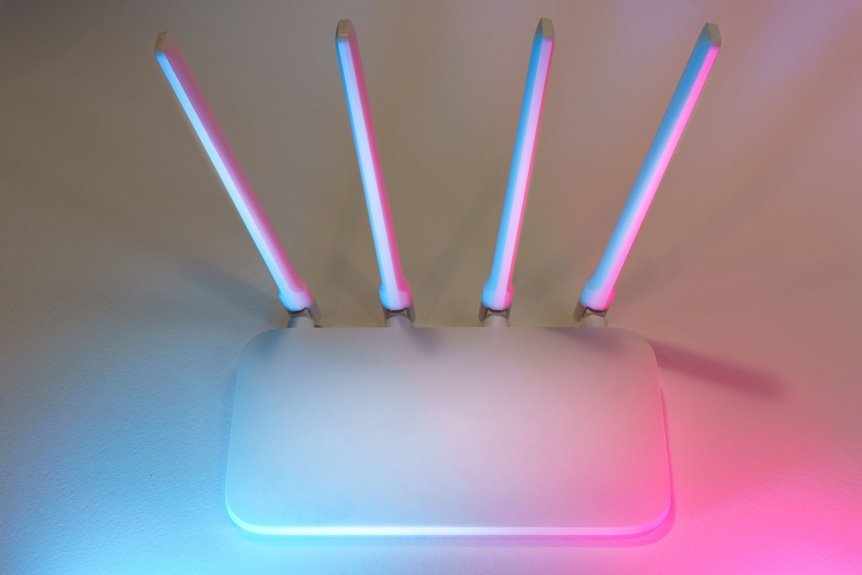
192,168.100.1 Router Login Guide With Correct IP Format
The 192.168.100.1 router login guide explains accessing control panels using a standard private IP. It outlines exact steps for secure entry, including correct URL format, credential planning, and browser considerations. It also covers common pitfalls, recovery actions, and best practices for stability and security. The guidance ends with unresolved issues that invite further exploration of connectivity, firmware updates, and hardening methods to prevent future access problems.
What Is 192.168.100.1 and Why Access It?
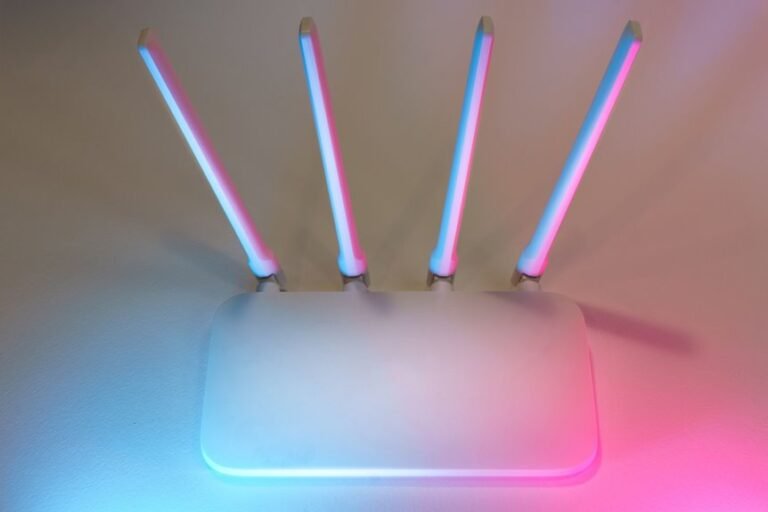
192.168.100.1 is a private IPv4 address used as the default gateway for many consumer routers. It functions as a control point within local networks, shaping traffic between devices and the wider Internet. Its role impacts Internet Architecture, Private Networks, and Network Security, while influencing User Experience through configuration accessibility and reliability.
How to Safely Log In: Credentials, Browsers, and First Steps
To begin accessing a router at the default gateway, users should prepare safe credentials and appropriate browser settings. The process prioritizes minimal exposure: use unique network credentials, enable HTTPS, and avoid autofill. Adhere to established network protocols, disable unnecessary plugins, and implement strong password storage practices. These steps reduce risk while preserving quick, autonomous administration.
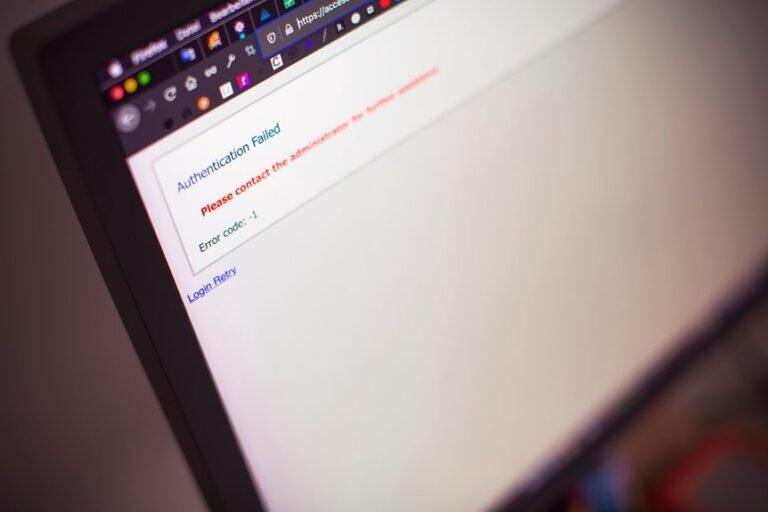
Troubleshooting: What to Do When the Login Page Won’T Load
When the login page fails to load, network checks should be performed to determine connectivity and accessibility status. The procedure emphasizes reproducible steps: verify IP reachability, confirm Ethernet or Wi-Fi connection, and inspect router indicators. If unresolved, reboot router to reset sessions, then check cables for secure, intact integrity. Document results and retry access with a clean browser session.
Optimize and Secure Your Router: Tips for Stability and Safety
Efficient router performance hinges on disciplined configuration and proactive security measures.
Stability arises from disciplined firmware management, routine configuration audits, and minimal exposure of management interfaces.
Implement firmware updates promptly, verify signatures, and monitor for anomalies.
Parental controls provide layered access policies, ensuring safe usage without compromising traffic.
Document settings, back up configurations, and disable unused services to maintain safety while preserving freedom of operation.
Frequently Asked Questions
Can I Access 192.168.100.1 From a Mobile Device?
Yes, a mobile device can access 192.168.100.1, provided the network permits it and the router supports mobile login. The user should consider mobile login steps and router compatibility for secure, seamless access.
Is 192.168.100.1 the Same for All Brands?
Approximately no; 192.168.100.1 is not universal across brands. One interesting statistic: most home routers use private defaults in the 192.168.x.x range. The answer highlights brand vs model nuances, firmware updates, and ongoing firmware differences.
How Do I Reset the Router if I Forget Credentials?
The reset procedure varies by model; consult device manual, then perform a hardware reset to restore defaults. After reboot, follow password recovery steps from the official guide, create strong credentials, and secure the router’s management interface promptly.
What if the Login Page Shows a Warning or Blocked Site?
If a login page shows a warning or blocked site, verify browser compatibility, clear cache, and use HTTPS; consider safety warnings as legitimate, proceed only on trusted networks, and contact admin if persistent.
Do I Need to Change DNS Settings After Login?
Yes, DNS changes are optional after login and depend on needs. Two word discussion ideas, unconnected topics. For freedom-seeking users, settings can be adjusted if DNS performance or content filtering requires it, otherwise leave defaults.
Conclusion
In sum, the router’s cockpit lies behind a door marked 192.168.100.1, an unassuming gateway to control. Like a ship’s logbook, its pages record firmware tides, credentials, and permissions, guiding stability rather than chaos. Properly secured, the voyage remains smooth: strong passwords, HTTPS, minimal plugins, and timely firmware. When storms rise—disconnect, reboot, verify—the chart stays true. The quiet latitude of a safeguarded network mirrors a well-tended harbor, where devices anchor with confidence and keep sails unfurled.