168.10.17 Router Admin Access and Setup Guide
The 168.10.17 Router Admin Access and Setup Guide outlines secure access via a web browser, using the default IP and administrator credentials. It describes the Admin Dashboard’s layout, highlighting status indicators, remote firmware updates, and diagnostic logs. Key sections cover wireless and security settings, guest network controls, and centralized governance. Parental controls and access management are detailed with granular rules. The guide concludes with maintenance practices, but a crucial configuration step remains uncertain, inviting careful verification before proceeding.
How to Log In to the 168.10.17 Router Admin Panel
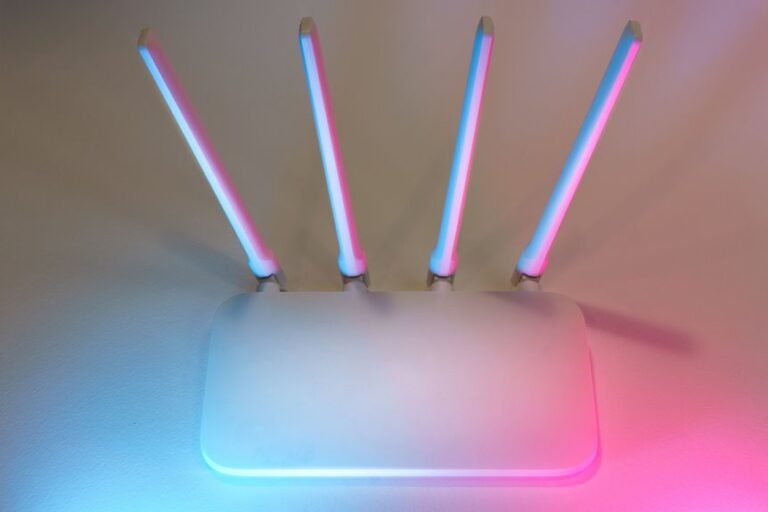
Access to the 168.10.17 router admin panel is obtained by opening a web browser and entering the default IP address 168.10.17 in the address bar.
The login process uses specific login credentials provided by the administrator.
The interface layout presents fields for username and password, plus status indicators.
Proper authentication grants access to configuration controls and status data.
Navigate the 168.10.17 Admin Dashboard: Key Areas You’ll Use
The 168.10.17 Admin Dashboard presents a structured set of sections that organize device configuration, status monitoring, and system management. It highlights navigable panels for remote firmware updates and service status, enabling efficient oversight.
The layout supports quick access to guest network controls, diagnostics, and logs, ensuring disciplined control while preserving user autonomy and freedom in configuration choices.
Essential Wireless and Security Settings on 168.10.17
Essential wireless and security settings on 168.10.17 encompass the core parameters that govern network access, data protection, and client behavior.
The section outlines wireless modes, encryption, SSIDs, and MAC filtering, aligned with stable network topology.
It emphasizes authentication, access control, and monitoring.
It notes firmware updates and security patches as foundational maintenance for resilient, freedom-oriented configurations.
Parental Controls and Access Management on 168.10.17
Parental controls and access management on 168.10.17 componentize device policy and user behavior, detailing how administrators regulate content, screen time, and device usage. The system provisions granular rules, roles, and auditing to enforce allowed domains, application access, and time windows. It emphasizes centralized governance, scalable enforcement, and transparency, ensuring balanced freedom while maintaining security, privacy, and operational integrity through parental controls and access management.
Frequently Asked Questions
How to Recover a Forgotten Admin Password for 168.10.17?
The forgotten admin password requires a factory reset to regain access, noting factory reset safety is essential. After reset, standard credentials restore, then secure the password promptly; the device must be reconfigured, with documented recovery steps followed meticulously.
Can I Reset the Router to Factory Defaults Safely?
Reset methods can safely restore a router to factory defaults if performed with precautions; however, note security considerations. An anecdote: a librarian resets a router, filing away misconfigurations like overdue books. Proceed carefully, document changes, verify post-reset settings.
Does 168.10.17 Support Guest Network Isolation?
Does 168.10.17 support guest network isolation? Yes, it provides isolated guest networks when enabled. The feature isolates traffic from guest clients from the main LAN, enabling controlled access. unrelated topic, random debate.
How to Update the Router Firmware Manually?
Manual firmware update proceeds via the router’s admin interface, selecting firmware manual, then uploading a verified image; ensure a stable power source. In case of failure, admin recovery allows reflash. Anecdote: a failed update became a learning opportunity.
What Is the Default IP Address for WAN Configuration?
The default IP address for WAN configuration is the device’s default gateway, typically 192.168.1.1. For optimal resilience, one should perform data backup before making changes, maintaining autonomy while documenting settings in a structured configuration log.
Conclusion
The 168.10.17 router admin interface stands as an impeccably engineered command center, where a few clicks unleash a torrent of security, control, and visibility. From lightning-fast logins to granular parental controls and remote firmware updates, every widget behaves with surgical precision. Its centralized governance system transforms routine maintenance into an almost clairvoyant workflow, presenting diagnostics and access management with effortless clarity. In short, it renders network administration so precise and instantaneous that complexity becomes a relic of the past.