168.100.99 Router Login Guide and Setup Tips
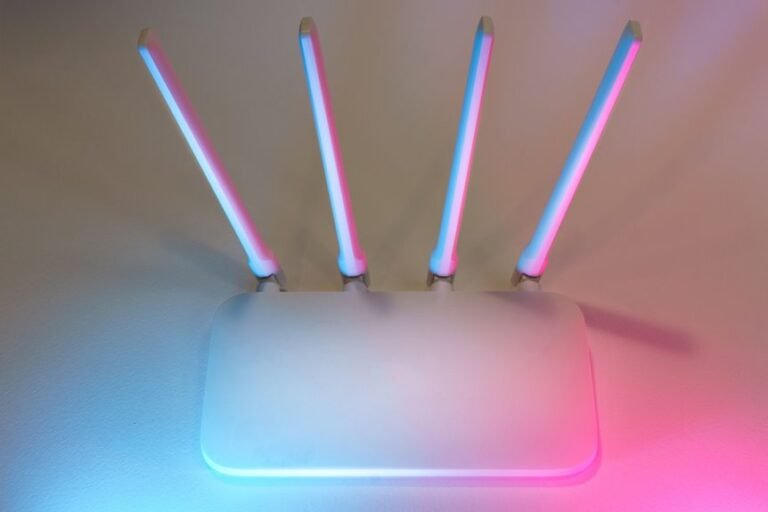
The guide outlines how to access the 168.100.99 router admin panel and set up a secure wireless network. It covers login verification, subnet checks, and common connectivity hurdles, with steps for enabling WPA2/WPA3 and a strong SSID. Practical tips address guest networks, secure DNS, and change logging for auditability. The discussion ends with core configuration decisions that impact performance and security, prompting the reader to consider best practices before proceeding.
How to Access the 168.100.99 Router Admin Panel
To access the 168.100.99 router admin panel, a user must connect a device to the router’s network and open a web browser to http://168.100.99 or https://168.100.99. The interface presents authentication, status, and basic configuration. Accessibility improvements are targeted, yet firmware limitations may constrain advanced options. Clear parameters enable freedom while maintaining security, enabling informed, independent management without excessive dependency.
Create a Secure Wi‑Fi Network on 168.100.99
Creating a secure Wi‑Fi network on 168.100.99 begins with enabling WPA2 or WPA3 encryption and selecting a unique, non‑default SSID. The guide emphasizes strong passphrases, frequent updates, and minimal broadcast.
Implement secure DNS resolution, monitor for anomalies, and enable guest network setup to segregate devices.
Documented, precise steps ensure stable, freedom‑driven connectivity without compromising security.
Essential Router Settings for Performance and Security
As after establishing a secure Wi‑Fi foundation, routers must be configured for both optimal throughput and robust protection. Essential router settings focus on traffic prioritization, secure DNS, and network segmentation, enabling resilient performance while minimizing exposure. Two word discussion ideas emphasize proactive management. Subtopic unrelated: firmware updates, parental controls. Precise controls ensure freedom through transparent, auditable configurations and stable, scalable connections.
Troubleshooting Common 168.100.99 Login and Connectivity Issues
Connectivity issues with the 168.100.99 login routinely stem from misconfigured credentials, incorrect IP addressing, or blocked network paths; systematic checks confirm whether the device is on the correct subnet and can reach the gateway.
The assessment emphasizes login troubleshooting and connectivity basics, detailing verification steps, subnet validity, gateway reachability, DNS resolution, and firewall rules to ensure reliable access and performance.
Frequently Asked Questions
Can I Change the Router’s Default IP Address?
Yes, it is possible to change the router’s default IP address. The configuration alters network topology and may require updating DHCP ranges. When secure, change password promptly and verify device access remains uninterrupted across the intended network.
How Do I Reset the Router to Factory Settings?
A quiet lighthouse resets its beacon: the reset procedure restores defaults, an unmistakable factory reset. The device reboots, clears configurations, and returns to stock state; note remote management and firmware updates may be reconfigured afterward for freedom.
Is There a Guest Network Feature on 168.100.99?
Yes, it supports a guest network feature with configurable access limits; parental controls can regulate guest devices. The configuration is presented as a technical, concise option set, designed for users seeking freedom while maintaining network oversight.
How Often Should I Update the Router Firmware?
Silent gears mark the updating cadence; firmware should be refreshed whenever patches arise, ideally quarterly or as security considerations mandate. This cadence balances risk and autonomy, ensuring robust defense without constraining a freedom-seeking digital frontier.
Can I Enable Remote Management Securely on This Device?
Remote management can be enabled with strict access controls and encrypted connections; ensure remote management security by restricting IPs and using TLS. Change the default IP to reduce exposure and mitigate automated attacks, maintaining a cautious, freedom-respecting configuration.
Conclusion
Accessing the 168.100.99 router admin panel requires a device on the correct subnet and valid credentials. Once logged in, configure a strong, unique SSID and WPA2/WPA3 passphrase, enable guest networking, and set secure DNS. Review WAN/LAN settings, firmware updates, and logging for auditability. Maintain documentation of all changes. In short, proper authentication, rigorous encryption, and proactive monitoring knit together a resilient network—like a carefully tuned engine propelling reliability and security.