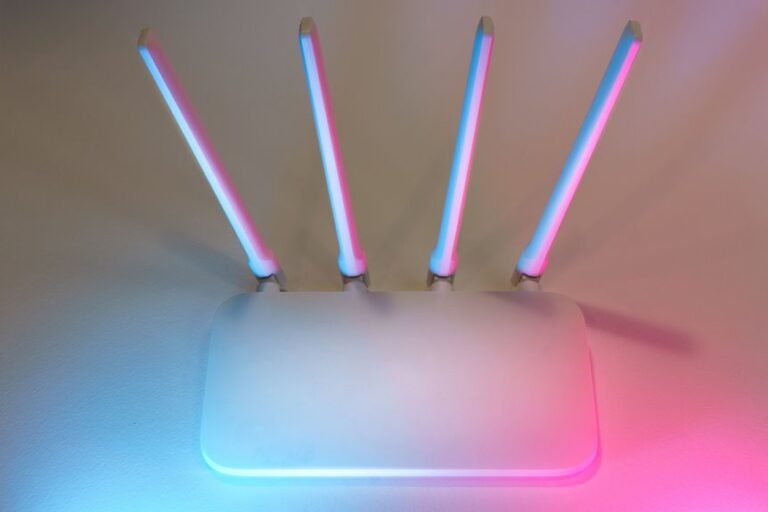
168.8.103 Router Admin Login and Setup Instructions
Access to the 168.8.103 router admin panel begins with a wired or wireless connection and a browser. The user navigates to http://168.8.103 (or http://192.168.1.1 if the primary address fails) and verifies reachability. Initial steps include basic diagnostics, confirming the management interface is visible, and noting default credentials. Subsequent setup covers defaults, time, WAN/LAN awareness, and documentation, all while enforcing security. Challenges may arise, and the path forward hinges on methodical provisioning and disciplined configuration.
How to Access the 168.8.103 Router Admin Panel
To access the 168.8.103 router admin panel, connect a computer to the router via Ethernet or join its Wi-Fi network, then open a web browser and navigate to http://168.8.103 or http://192.168.1.1 (if the device uses a different default address, consult the label on the router). The interface emphasizes accessibility features, color contrast, device compatibility, cloud management, and secure access.
Initial Setup Steps for 168.8.103
Initial setup for the 168.8.103 begins with establishing a stable connection to the device and verifying access. The process pragmatically confirms IP reachability, basic network diagnostics, and initial interface visibility.
Configure default labels, time settings, and WAN/LAN awareness.
Two word ideas, unrelated topics, provide conceptual framing for methodical steps, ensuring predictable behavior and freedom from ambiguity.
Thorough documentation concludes.
Strengthening Security: Wireless, Passwords, and Updates
Strengthening security begins with wireless governance, robust authentication, and timely firmware updates. The discussion addresses network topology implications, enforcing secure wireless practices, and documenting security considerations for uninterrupted access. Emphasis is placed on disciplined password management, regular firmware updates, and incident awareness. A concise framework supports freedom by enabling informed choices without compromising router integrity or user autonomy.
Troubleshooting Common 168.8.103 Login and Setup Issues
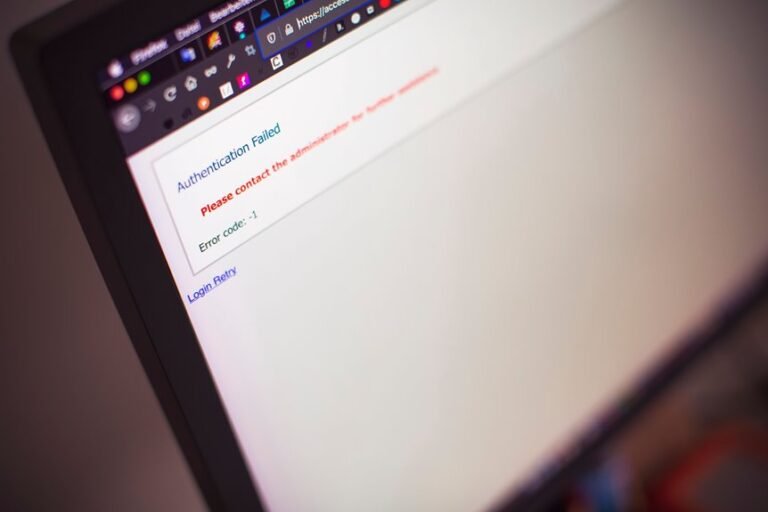
Common login and setup issues for 168.8.103 devices typically stem from misentered credentials, IP address conflicts, or corrupted firmware environments; systematic verification and isolated testing are required to diagnose and resolve these problems efficiently.
Ensuring network calibration, checking firmware licensing, and maintaining cyber hygiene improves device accessibility while preventing recurring faults; precise configuration minimizes unnecessary troubleshooting time.
Frequently Asked Questions
Can I Reset My Router Without Losing Settings?
The answer is: yes, users can reset options without losing settings if the router supports a soft reset or preserve-config reset; however, proper firmware updates should be applied first, and backups created to avoid unintended data loss.
Is There a Mobile App for 168.8.103 Management?
A possible mobile app exists for management, though limited; cloud management refinements may apply. It discusses wired vs wireless settings, firmware updates, and synchronization. The audience, craving freedom, benefits from precise, concise, technical governance of such features.
How Do I View Connected Devices on the Network?
View only shows connected devices; interactive mode enables control. For filtering, DNS vs. MAC filtering choices affect visibility. The router presents devices by IP/MAC, then DNS filtering or MAC filtering can restrict visibility, with transparent access preferred by freedom-seeking users.
What Parental Controls Are Available Beyond Basics?
Parental controls extend beyond basics with Scheduling, Content Filtering, Device Prioritization, and Time Limits, offering nuanced management. Subtly presented, these controls balance safety and autonomy, optimizing network use while preserving user freedom. Content Filtering, Time Limits.
Can I Backup and Restore Router Configurations?
Yes, it supports backup restoration through the router’s firmware interface; users can create and restore router backups to preserve configurations, wireless settings, and rules. This process ensures quick recovery and portability for freedom-loving administrators.
Conclusion
In a detached, methodical tone, the administrator completes the setup with steady precision. The router’s admin panel now reflects current credentials, updated firmware, and centralized time, WAN/LAN awareness, and robust security configurations. Documentation is aligned with the configuration snapshot, enabling quick recovery. Like a lighthouse in quiet seas, the configuration stands as a reliable beacon—clear, accessible, and enduring—ready to support ongoing management, diagnostics, and secure networking for future operations.