168.2.9 Router Setup, Login and Configuration Guide
The guide for 168.2.9 Router Setup, Login and Configuration presents a precise, stepwise approach to powering the device and accessing the admin interface. It emphasizes an initial security check, including strong admin passwords and disabled remote management. Subsequent sections cover essential network settings—Wi‑Fi, firewall, and parental controls—with an eye toward stability. Ongoing maintenance and diagnostics follow, plus rollback and outage considerations. The framework ends with a practical safeguard, inviting further validation of each configuration step.
How to Power Up and Access 168.2.9 Router for the First Time
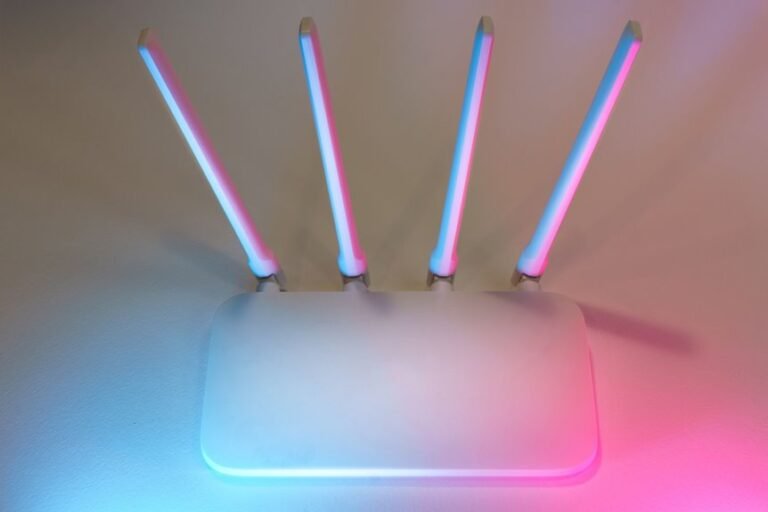
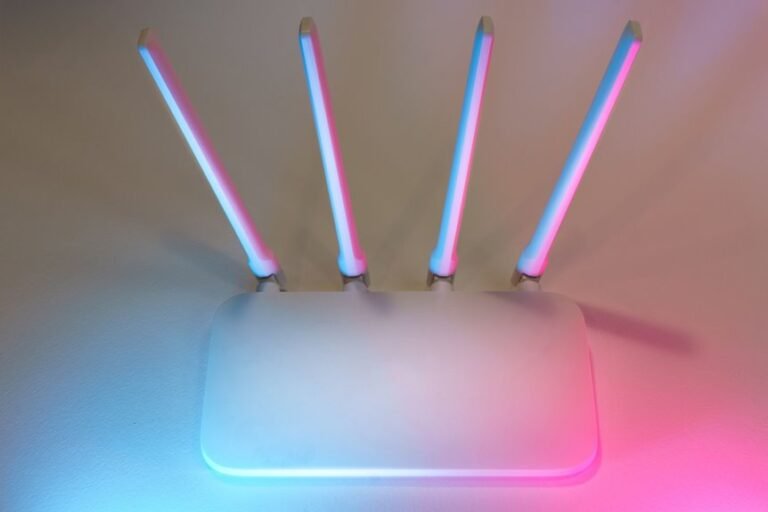
To power up the 168.2.9 router for the first time, connect the device to a power source and verify the power indicator is lit. This entry outlines powering basics, first access setup, and initial configuration, emphasizing networking basics and device onboarding. Include security checks, firmware update, guest networking, parental safeguards, firewall rules, parental control settings, QoS tuning, device reboots, and outage troubleshooting.
Quick Login Steps and Initial Security Check to Run
Upon initial access, users should open a web browser and navigate to the router’s default IP address or initiate the setup wizard via the provided URL, then enter the default admin credentials to log in.
Then perform a quick login assessment: verify firmware version, disable unused services, enable password protection, and confirm remote management is off to reinforce initial security.
Essential Network Configuration: Wi‑Fi, Firewall, and Parental Controls
Configuring the network core involves setting Wi‑Fi parameters, firewall rules, and parental controls to establish a secure and efficient environment.
The analysis focuses on optimizing Wi Fi interference management, coordinating firmware rollout schedules, and enforcing firewall settings.
Parental controls are configured to balance access policies with user autonomy, ensuring robust security, transparent monitoring, and stable network performance without unnecessary overhead.
Fine-Tuning, Troubleshooting, and Ongoing Maintenance for Stability and Safety
Fine-tuning and ongoing maintenance extend beyond initial configuration to ensure network stability and safety over time.
The process emphasizes structured monitoring, systematic maintenance scheduling, and objective problem identification.
Routine firmware diagnostics assess device health, detect anomalies, and verify compatibility.
Troubleshooting procedures prioritize reproducible steps, documented outcomes, and rollback options.
This disciplined approach sustains performance, mitigates risk, and supports secure, freedom-friendly network operation.
Frequently Asked Questions
How to Factory Reset the 168.2.9 Router Safely?
A factory reset can be performed by holding the reset button for 10 seconds, then reconfiguring. Safety precautions include grounding, power stability, and disconnecting USB devices. After reset, apply a firmware update if available for security.
Can I Update Firmware Manually via USB?
Yes, manual USB firmware updates are possible; the device accepts signed image files via USB. The update process should be performed cautiously, as improper flash can brick the router. Security risks include corrupted files and unsigned payloads.
How to Backup and Restore Router Configurations?
The guide outlines backup brief via admin credentials, then performs restore steps with firmware USB; ISP compatibility considered. It emphasizes secure storage, version checks, and non-destructive testing, enabling independent control while preserving network freedom and configuration integrity.
What Are Default Admin Credentials and Change Procedures?
Default credentials vary by device; consult the administrator guide. The reset procedure restores factory settings, enabling new credentials setup. In essence, secure default access, then change credentials promptly to prevent unauthorized use and preserve network freedom.
How to Check for ISP Compatibility With 168.2.9?
During testing, ISPs compatibility is assessed by verifying supported PHY standards and service profiles; router compatibility hinges on VLAN, PPPoE, and authentication compatibility. The evaluation method remains precise, structured, and aligned with freedom-seeking user expectations.
Conclusion
Despite the charm of a glossy admin page, the 168.2.9 guide insists on sober steps: power, login, and security checks, followed by disciplined network tuning. Irony lurks in the promise of “easy setup” while detailing firmware verification, disabled services, and strong passwords. The conclusion: with precise configuration of Wi‑Fi, firewall, and parental controls, and a plan for ongoing maintenance, the router becomes a predictable, dependable backbone—far easier to manage than the chaos of unsecured, improvisational networking.