168.222 Router Address Guide, Meaning and Login Help
The 168.222 router address serves as a private, internal identifier used to map device networks and access scopes within a LAN. It denotes local topology rather than public Internet routes. Access to the admin page should be performed from trusted, wired devices with HTTPS enabled and strong credentials. Remote administration should be disabled unless a VPN is configured. Security hinges on firmware updates and restricted services, with practical fixes available for common login issues and browser compatibility—but plans for tightening control will matter only if they are applied.
What Is the 168.222 Router Address and Why It Appears
The 168.222 router address is a private or local network identifier used within a specific device or organizational network rather than an address on the public Internet.
This designation supports controlled topologies and internal routing.
For users pursuing freedom, it clarifies scope and access.
It informs setup tutorials and network addressing decisions, avoiding external exposure and confusion.
How to Access the Router Admin Page Safely
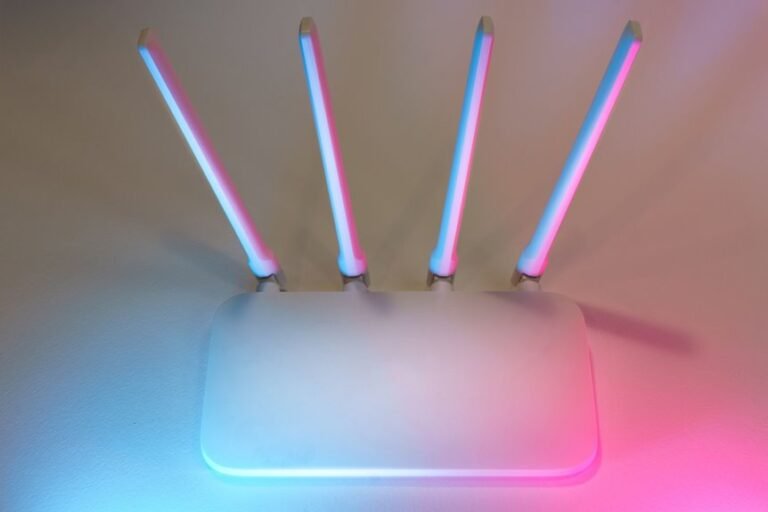
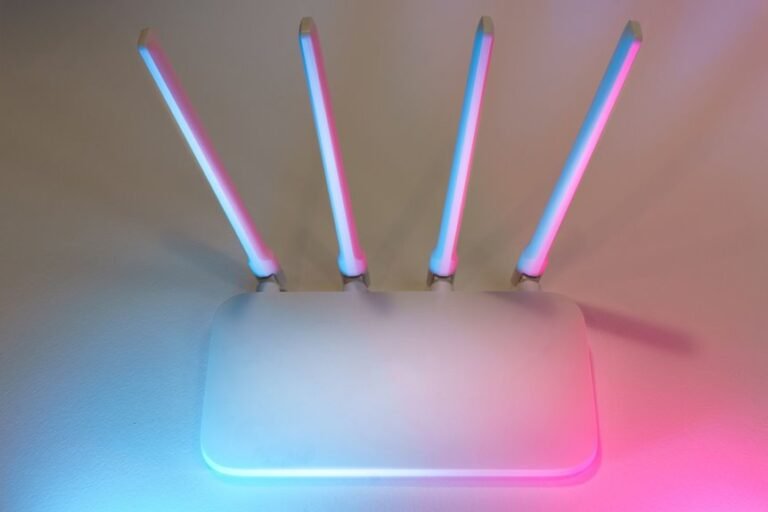
Access to the router admin page should be restricted to trusted devices on the local network. Use a wired connection when possible and disable remote administration unless VPN access is configured. Employ strong, unique credentials and enable HTTPS. Implement clear network segmentation, limiting admin access to management VLANs. Regularly updating firmware mitigates exploits and preserves resilient, freedom-focused control. Maintain secure auditing.
Common Login Problems and Quick Fixes
Common login problems with routers frequently stem from credential issues, browser compatibility, or network misconfigurations. In troubleshooting, the discussion focuses on network topology adjustments, verifying firmware updates, and aligning security planning with access requirements. Quick fixes include clearing caches, updating firmware, using supported browsers, and configuring remote access settings to restore reliable administration paths.
Locking Down Your 168.222 Router: Essential Security Steps
After addressing login reliability, securing remote administration becomes a priority. The guide outlines essential steps to lock down a 168.222 router: enforce strong administrator passwords, disable unused services, enable firewall rules, and restrict remote access by IP.
Maintain network security through regular firmware updates, implement wifi encryption, and deploy parental controls to balance freedom with protection.
Frequently Asked Questions
Can I Change the 168.222 Router Address Format for My Network?
Yes; one can change the default address. To implement a custom network range, modify router settings, update DHCP scope, and adjust static routes. Ensure IP plan consistency, security, and device compatibility while documenting changes for future reference.
Is 168.222 Used by ISP Rental Modems or Only Private Networks?
Symbolically, the answer points to 168.222 address usage as private networking, rarely used by ISP rental modems. It is primarily internal, not pervasive in public ISP contexts, guiding toward controlled, autonomous 168.222 private networking implementations and security.
What Devices Should Be Connected Before Accessing the Admin Page?
Before accessing the admin page, ensure a stable connection: verify connection status and confirm no conflicting devices. The router should prioritize essential devices, enabling proper device prioritization while disable guest networks during configuration.
How Do I Reset the Router Without Losing Network Settings?
Is a reset the only path to recovery? The router can preserve network settings via a backup configuration before a reset, then perform a firmware rollback if needed, allowing restoration without losing customized parameters.
Are There Known Compatibility Issues With Certain Firmware Updates?
Firmware update compatibility varies by model; generally, some routers experience compatibility issues after updates. Router firmware issues can include bricked devices, DNS leaks, or degraded performance. Review release notes, backup settings, and test updates on a controlled network before deployment.
Conclusion
In the dim corridors where networks whisper, the 168.222 address stands as a quiet portal to trust and control. As guardians of access tighten, the familiar gate—HTTPS, strong credentials, and disciplined updates—becomes a reminder thread from past to present: security is not a shield but a discipline. When layers align—trusted devices, restricted remote use, and segmented access—the system remembers the old cautionary tale: vigilance preserves the fragile line between openness and exposure.