1992.168.8.1 Common Typing Mistake and Correct Router Address
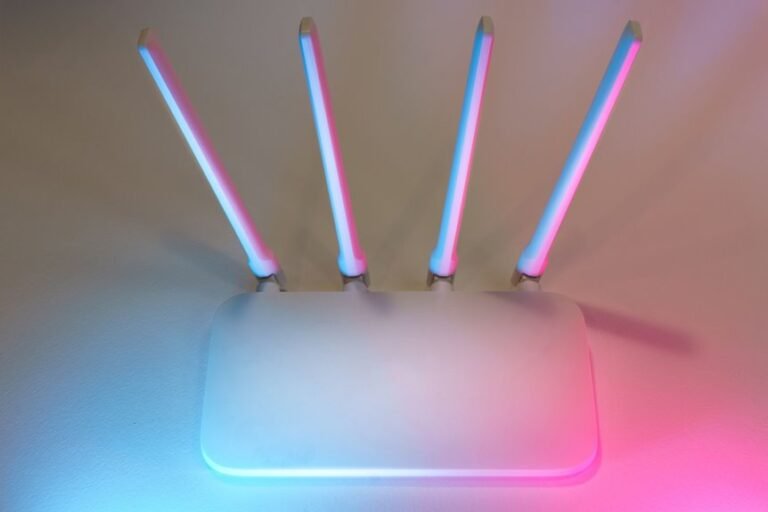
1992.168.8.1 is a common typing error for a router address, but it fails in IPv4 since 1992 exceeds the 255 limit of the first octet. The real private gateway typically lies in 192.168.x.x, such as 192.168.0.1 or 192.168.1.1, depending on the device. A mistaken entry can disrupt routing, hide the network boundary, and block admin access. The next steps reveal how to identify the true gateway and what to do if access is blocked.
What Is 1992.168.8.1 and Why It’s Mistyped
1992.168.8.1 is not a valid IPv4 address in standard networking practice; it results from a common typographical error where the octet 1992 exceeds the maximum value of 255. This misentry disrupts routing, affecting access to essential services. Typing mistakes such as this hinder router access by misdirecting packets and obscuring real network boundaries, undermining deliberate, freedom-oriented configuration.
How to Find Your Real Private Router Address
Determining the private router address is a straightforward process that varies by operating system but follows a common principle: the gateway IP is the device that routes traffic between the local network and external networks.
In practice, methods reveal the address through network settings or command prompts, clarifying privacy misconceptions while noting firmware update cadence and its impact on exposure and trust.
Quick Fixes When You’re Locked Out of Settings
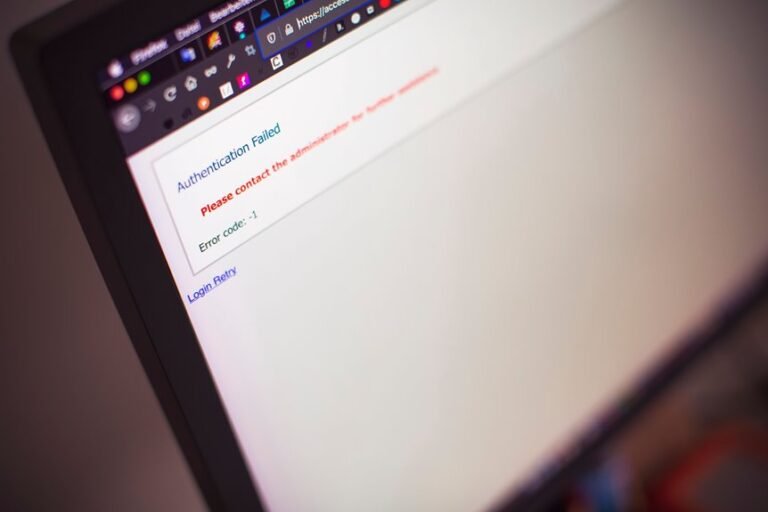
When locked out of router settings, a systematic approach helps regain access without compromising security. Quick fixes prioritize method over guesswork: verify device is on the correct network, confirm the router login basics (default IP, credentials) and avoid changing security settings without documentation. Common misconceptions are addressed: resets are final, firmware updates always solve access issues.
Keeping Your Home Network Safe and Reliable
Keeping Your Home Network Safe and Reliable builds on the practical steps for regaining access to a router by emphasizing ongoing security hygiene and dependable connectivity.
The approach is disciplined, documenting privacy habits and enforcing verified devices, strong credentials, and segmented networks.
Regular firmware updates reduce exploit windows, while monitoring logs and intrusion attempts supports rapid isolation of anomalies without disrupting legitimate traffic.
Frequently Asked Questions
Can 1992.168.8.1 Be Used for Public Wi-Fi?
The address 1992.168.8.1 cannot be used for public Wi‑Fi; it is a private or invalid IP. In practice, avoid typing mistakes in router configuration, and ensure correct local addresses for secure access rather than public networks.
Does This IP Relate to IPV6 Addressing?
No, it does not relate to IPv6 addressing. It’s an IPv4-private-like placeholder used in mistakes, not a formal IPv6 address. Networking basics indicate IP misconfiguration risks, affecting routing and security. It reflects misrouted traffic and misaligned subnetting.
Can Devices Lose Internet if Misconfigured?
Yes, devices can lose internet if misconfigured. Anachronism: “dial-up” echoes past networks. The detached reviewer notes that misconfigurations disrupt routes, DNS, or IP schemes. Answering network basics, router security depends on correct defaults and validation, not guesswork.
Are There Legal Concerns With Modifying Router Settings?
Modifications to router settings may raise legal concerns if they violate terms, laws, or service agreements; privacy implications and network security considerations must be evaluated, with attention to lawful access, data protection, and responsible configuration to preserve privacy and security.
How Often Should Router Firmware Be Updated?
Firmware updates should be applied promptly when available, typically monthly or upon critical patches. This practice enhances router security and stability; regular checks are essential. Firmware updates require careful testing and reboot, maintaining autonomy and cautious, security-conscious hardware management.
Conclusion
Mistyped 1992.168.8.1 highlights a misaddress that derails access to the router’s admin interface. By confirming the real private gateway—typically 192.168.0.1 or 192.168.1.1—users restore path to configuration and security. When locked out, quick verification via labels or prompts, then reset if needed, reestablishes connectivity. Like a compass in fog, the correct address points devices back to safe, reliable control, guiding the network home.