
192 L.168.0.103 Correct IP Format and Login Instructions
192.168.0.103 is a private IPv4 address used within a local network to identify a single device. Proper formatting requires four octets, each 0–255, with a typical /24 subnet. Access usually occurs from the same LAN via a browser or network tool to the device’s management interface, often at http://192.168.0.103 or https://192.168.0.103, with authorized credentials. The next step involves configuring, testing, and securing the connection, but several caveats must be considered before proceeding.
What 192.168.0.103 Means in Home Networks
192.168.0.103 is a private IPv4 address commonly used within home networks to identify a specific device, such as a router, computer, or smart device, on the local LAN. It designates a gateway or endpoint within the internal addressing space, enabling device communication.
Contextually, network etiquette and router configuration practices govern access, security, and predictable traffic flow for empowered, freedom-seeking networks.
Correct IP Formatting and Common Mistakes
Correct IP formatting is essential for reliable local-network communication and easy device management. The discussion focuses on IP formatting basics, common mistakes, and their consequences. Misplaced octets, missing leading zeros, and inconsistent subnet masks hinder discovery and automation. Awareness of router defaults reduces confusion; consistent IP schemes aid login automation while safeguarding network privacy and minimizing unintended exposure to external access.
How to Access the Device With 192.168.0.103
Accessing the device at 192.168.0.103 requires establishing a direct connection within the local network using standard browser or network tools.
The process relies on networking basics to reach the device’s interface and perform authenticated access.
Device authentication protects resources; authentication methods should align with the device’s security policy.
Perform minimal, authorized actions only.
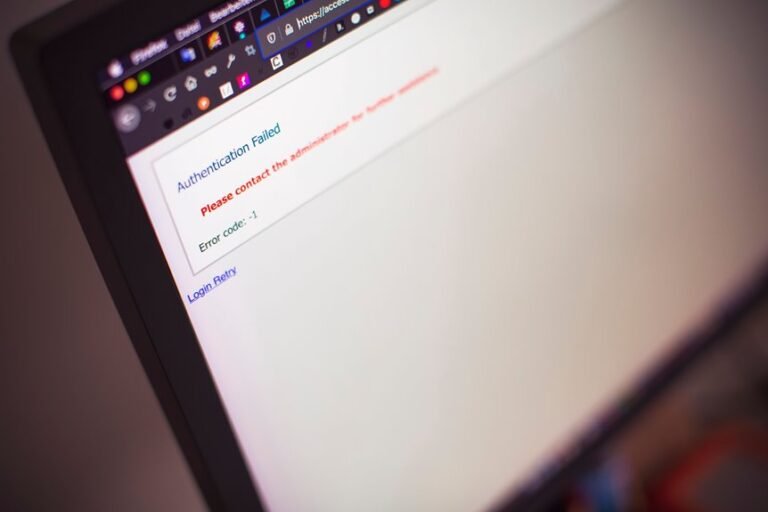
Troubleshooting Login Issues and Security Tips
What common misconfigurations and transient errors impede login attempts, and how can these be systematically diagnosed and resolved while maintaining device security?
The procedure emphasizes rigorous verification, logging, and rollback. Key measures include enforcing security risks awareness, implementing password rotation, validating network segmentation boundaries, ensuring device discovery does not expose credentials, and auditing access against baseline configurations to prevent credential leakage.
Frequently Asked Questions
Can 192.168.0.103 Be Reachable From Outside My Network?
The answer: 192.168.0.103 cannot be reached from outside by default; IP address usage, network segmentation, and routing considerations require proper exposure via NAT, port forwarding, and secure ingress policies for external reachability.
Are There Alternative Private IP Ranges to 192.168.0.X?
Yes, several private IP ranges exist besides 192.168.0.x, including 10.0.0.0/8 and 172.16.0.0/12. This supports private networking and informs subnet planning, enabling flexible address space and secure, scalable network design for freedom-minded configurations.
What Devices Typically Use 192.168.0.103 by Default?
A gateway like a lighthouse guides traffic; 192.168.0.103 is commonly assigned to home routers or devices on private LANs, often seen in device naming and router branding conventions, though exact ownership varies by vendor and setup.
Should I Reserve 192.168.0.103 via DHCP or Static Binding?
A device should be statically bound for critical hosts, ensuring predictable access; DHCP reservation offers flexibility but less permanence. For a secure network and robust ip planning, prefer static binding or a carefully managed reservation with documentation.
How Do I Verify if 192.168.0.103 Is in Use Locally?
Running network discovery will reveal if 192.168.0.103 is active on the LAN; compare results for DHCP vs static binding to determine address usage and potential conflicts, guiding whether to reserve or reconfigure accordingly.
Conclusion
In conclusion, the address 192.168.0.103 serves as a private locator within a local network, guiding devices to a specific node without exposing it publicly. When formatted correctly, it ensures reliable reachability, while mindful login practices safeguard access. Users should connect to the same LAN, employ standard web or tool-based interfaces, and authorize credentials judiciously. With prudent configuration and regular audits, network harmony is preserved, allowing seamless administration and gradual, unobtrusive improvements over time.